
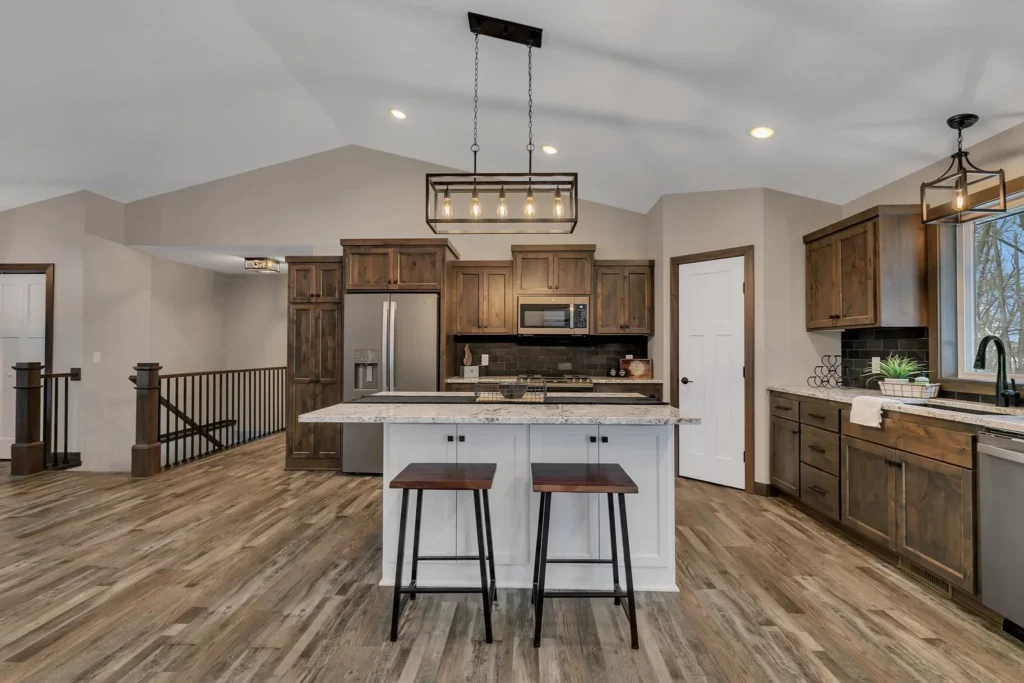
Defining Your Space Expansion Needs
Before you begin planning a home addition, take time to identify exactly what you need from the extra space. Families in Milaca often seek additional square footage for growing households, aging parents moving in, or creating dedicated home offices for remote work. The Minnesota climate demands that any new space integrates seamlessly with your existing heating and cooling systems to maintain energy efficiency during harsh winters and humid summers.
Consider how the new space will function in your daily life. Will it serve as a master suite with private bathroom access, an expanded kitchen with room for family gatherings, or a ground-level bedroom to avoid stairs? Each purpose requires different structural considerations, utility connections, and finishing materials. Document your priorities in writing, including must-have features versus nice-to-have elements, to guide decision-making when budget constraints arise.
Evaluate how the addition will affect your property’s resale value and neighborhood fit. Oversized additions that dwarf neighboring homes or clash with architectural styles common in Milaca can actually decrease market appeal. Review comparable properties in your area to understand what improvements buyers value most, and ensure your expansion aligns with local expectations while meeting your family’s specific needs.
Securing Required Approvals
Every home addition requires proper permits from your local building department. In Minnesota, construction permits ensure your project meets state building codes, energy standards, and safety regulations. Submit detailed plans showing the addition’s footprint, structural specifications, electrical layouts, plumbing routes, and HVAC modifications. The review process typically takes two to four weeks, though complex projects may require additional time for plan revisions.
Understand setback requirements that dictate how close your addition can sit to property lines, neighboring structures, and street frontages. These regulations vary by municipality and zoning district, with some areas imposing stricter limits on lot coverage percentages. Schedule a pre-application meeting with building officials to discuss your plans informally before investing in detailed architectural drawings, which can save considerable time and expense if modifications become necessary.
Factor in inspection schedules throughout the construction process. Typical inspection points include foundation work, framing completion, rough-in stages for electrical and plumbing systems, insulation installation, and final walkthrough. Missing scheduled inspections can delay your project significantly, and proceeding without required approvals may result in stop-work orders or requirements to remove completed work. Maintain open communication with inspectors and address any noted deficiencies promptly to keep your timeline on track.
Calculating Total Project Costs
Construction costs for home additions vary widely based on size, complexity, and material selections. Basic additions start around $150 per square foot for simple structures, while high-end projects with custom features, premium finishes, and complex architectural elements can exceed $400 per square foot. Request itemized estimates from multiple contractors to understand the going rates for labor and materials specific to your region and project scope.
Include often-overlooked expenses in your budget planning. Permit fees, architectural design services, engineering consultations, temporary living arrangements if needed, utility upgrades, landscaping restoration, and contingency funds for unexpected issues all contribute to total costs. Set aside at least 15 to 20 percent of your construction budget as a contingency reserve, as virtually every project encounters unforeseen conditions like hidden structural damage, code compliance upgrades, or material price fluctuations.
Explore financing options early in the planning process. Home equity loans, home equity lines of credit, cash-out refinancing, and construction loans each offer different advantages depending on your financial situation and project timeline. Compare interest rates, repayment terms, and qualification requirements across multiple lenders. Having financing secured before construction begins prevents costly delays and strengthens your negotiating position with contractors who prefer clients with verified funding sources.
Creating Weather-Resistant Structures
Minnesota’s extreme temperature swings require careful attention to insulation, moisture barriers, and thermal bridging prevention. Specify insulation values that exceed minimum code requirements to reduce heating costs and improve comfort during subzero winter temperatures. Wall assemblies should include continuous exterior insulation to minimize thermal breaks at studs and framing members, while vapor barriers positioned correctly prevent condensation damage within wall cavities.
Plan roof designs that handle heavy snow loads common during Minnesota winters. Adequate roof pitch, structural reinforcement, and proper drainage systems prevent ice damming, which can cause significant water intrusion and interior damage. Consider how snow will shed from your addition’s roof and where it will accumulate on the ground, ensuring safe access to entryways and avoiding drainage problems when spring thaw arrives.
Integrate the addition seamlessly with your home’s existing heating, cooling, and ventilation systems. Undersized HVAC equipment cannot adequately condition the expanded space, leading to comfort problems and inefficient operation. Consult with mechanical engineers or experienced HVAC contractors to determine whether your current system can handle the additional load or if upgrades are necessary. Proper airflow balancing ensures even temperatures throughout both old and new spaces, preventing hot spots in summer and cold zones in winter.
Partnering with Experienced Contractors
While some homeowners consider tackling addition projects independently, partnering with licensed professionals delivers superior results and protects your investment. Experienced builders bring technical knowledge of structural engineering, building science, and code compliance that prevents costly mistakes. They maintain relationships with reliable subcontractors, negotiate better material pricing through established supplier accounts, and carry insurance that protects you from liability if accidents occur on your property.
When evaluating contractors, request references from recent projects similar in scope to your planned addition. Visit completed jobs in person when possible to assess workmanship quality, attention to detail, and how well additions integrate with original structures. Verify licensing status, insurance coverage, and any complaints filed with consumer protection agencies. Ask detailed questions about their construction process, communication practices, timeline estimates, and how they handle inevitable challenges that arise during construction.
JDA Builders brings decades of construction experience to home addition projects throughout Milaca and surrounding communities. Our team handles every aspect of the expansion process, from initial design consultations and permit applications through final inspections and finishing touches. We understand how Minnesota’s climate affects construction planning and material selection, ensuring your new space performs reliably through every season. Our established relationships with local suppliers and subcontractors keep projects on schedule and within budget, while our commitment to quality craftsmanship means your addition will enhance both your home’s functionality and value for years to come. Contact us to discuss your expansion goals and receive a detailed project proposal tailored to your specific needs and budget.